Electrical

In these posts, I explain electrical engineering like the working of AC supply, circuit breakers, capacitors, inductors, control systems, Mosfet, thyristors, IGBT, inverters, DC supply, SMPS, power transmission, etc.

I will also cover power factors, reactive power, transformers like PT, SMPS transformer, open circuit current transformer, and also locomotive engine working concepts

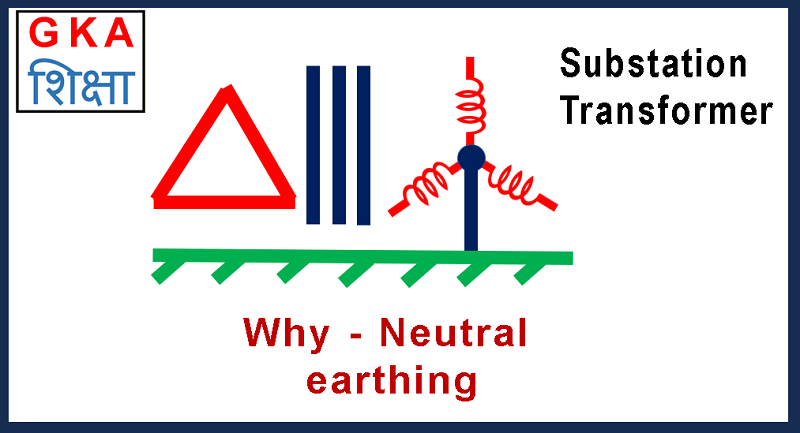
Neutral earthing of the substation transformer: Why

neutral of transformer is connected to earth

It is very important to do earthing of the neutral of the substation transformer. You will learn, what are the problems if there is no earthing in the transformer.

I will explain, how the high voltage comes in the transformer without earthing during fault. I will also suggest a very simple DIY project to learn problems.

Neutral earthing of the substation transformer: Why Read More »

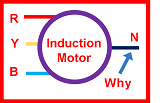
Neutral in 3 phase induction motor in VVFD: Why Useful

Why to use neutral in induction motor

We will discuss the need, advantage, and use of neutral in a three-phase induction motor in the complex VVVF (Variable voltage variable frequency) drive system.

You will learn how the use of neutral in an induction motor can make fault finding easy and improve protection and the reliability of the system

Neutral in 3 phase induction motor in VVFD: Why Useful Read More »

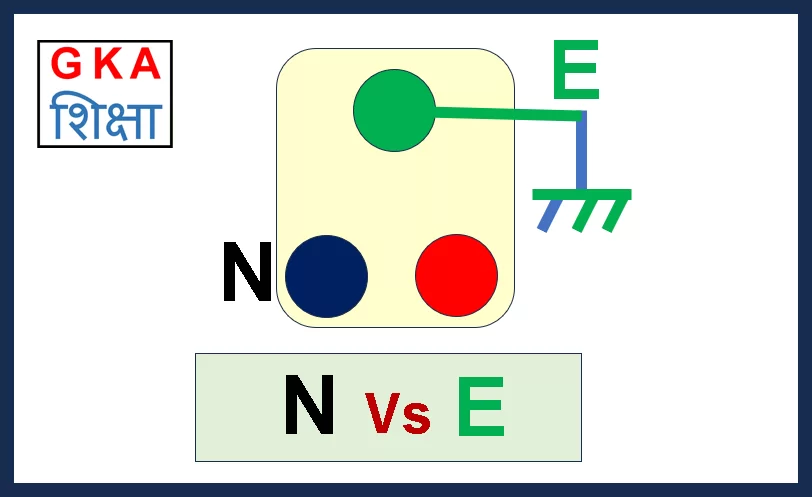
Difference between Neutral and Earth – 17 differences

difference between neutral and earth wire

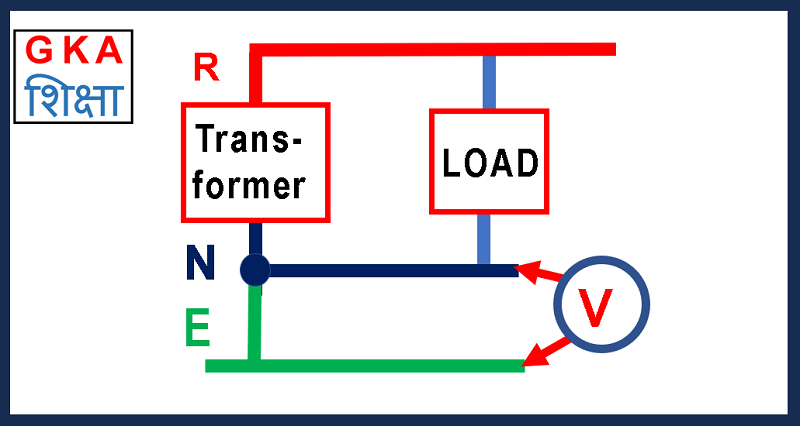
I will explain the difference between neutral wire and earth in the AC supply in this technical article. A total of 17 differences between neutral and earth are discussed in this article.

The three-phase AC supply consists of 4 wires. R phase, Y phase, B phase wire, and a neutral wire. In addition to that, we have earth wire also. The neutral wire and earth wire of the AC supply have totally different purpose.

Difference between Neutral and Earth – 17 differences Read More »